New Jersey Grassland Eco Mow Zone (GEMZ) Program


In 2005, New Jersey Department of Transportation began implementing a Grassland Eco Mow Zone (GEMZ) program to cut down on roadside mowing expenses. As indicated on the sign, these mowing regimes not only save money, they do provide additional habitat for goldfinches and other grass seed eating birds.

Birds Roost in Trees at Night


My favorite sign from a recent trip to Austin, TX. A local humor writer once quipped that the Great-tailed Grackle should be the official bird of Austin, and huge roosts in parking lot trees are a big part of living in that city. This was a warning sign in a hotel parking lot. There was more than just words on that sign to give warning!

Walmart to the rescue

Walmart may turn out to be the biggest protector of urban wildlife habitat yet. Check out the latest Walmart efforts, involving $500,000 in grants to projects in DC, Chicago, NYC, and LA. Walmart’s Acres for America program has already protected over 625,000 acres of wildlife habitat.

Birds on Buildings

What are they doing up there? Check out my latest online article on birds on buildings, and what to do about them when they are causing trouble.

Urban Beach Birds

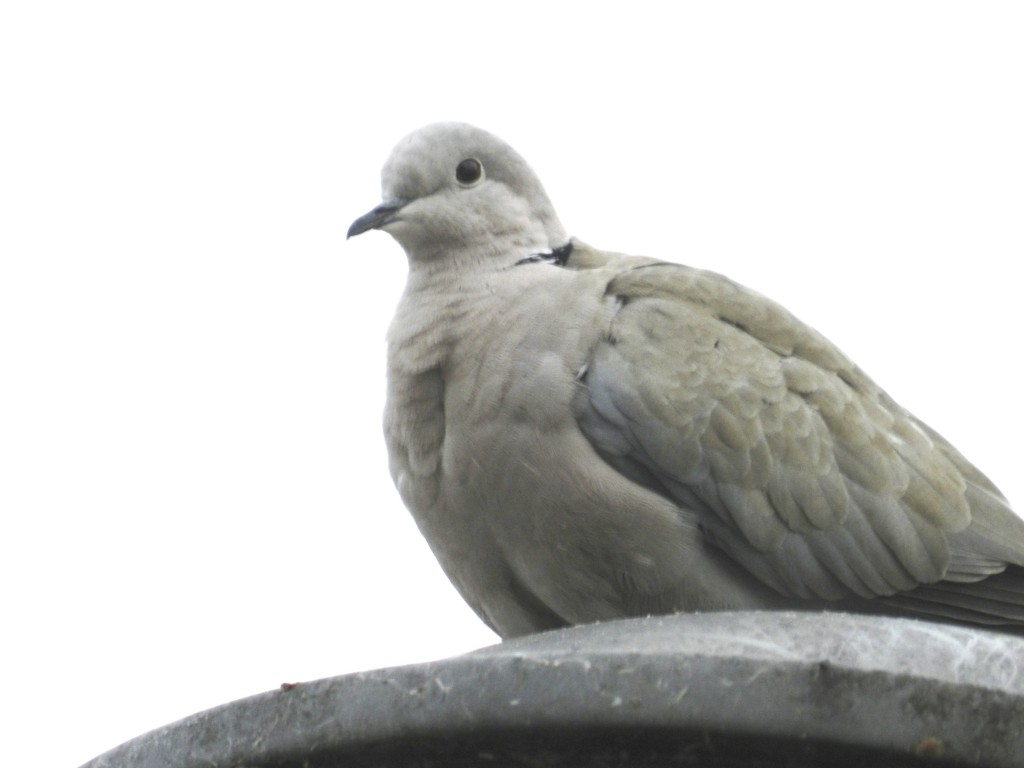
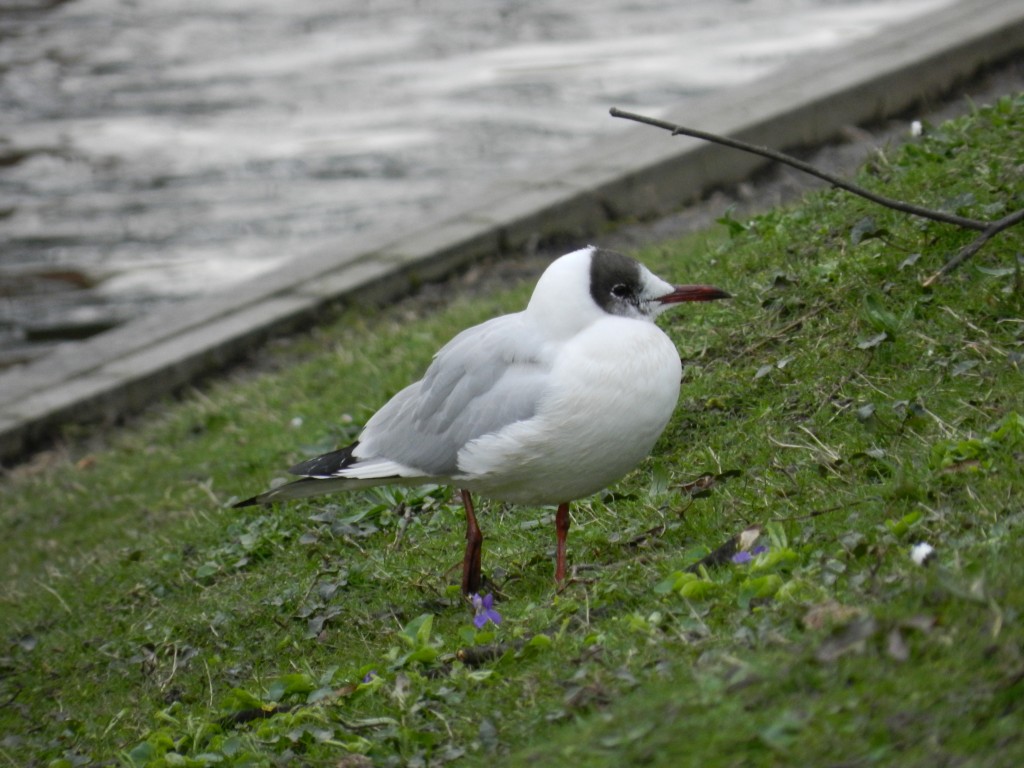
When we think of urban birds, we usually think of pigeons, starlings, and house sparrows. Maybe some robins, crows, and gulls. Urban bird habitats might be parks, or yards. But pretty much any habitat can be urbanized–including beaches, as my quick trip over to Coney Island in Brooklyn, NY revealed today.

In addition to this pigeon, I saw dozens of Laughing Gulls and Common Terns, a few American Oystercatchers, and other beach birds–all within a stone’s throw of buildings, amusement park rides, and thousands of beach goers.

The star of the day was the Gray-hooded Gull, a Southern Hemisphere bird hanging out on the Coney Island beach this past week–only the second one reported from North America.

For birders, a mega-rarity like this is sure to draw a crowd. But while enjoying the rarity show, it is good to take a moment to consider how urbanization is creating a whole new class of urban birds–beach and sea birds that have to adapt to a heavy human presence when we take over and build on their home turf. It is a reminder that all birds can be urban birds–from the most rare and specialized to the most common and mundane. As cities take over the beaches, it falls to urban planners and urban residents to ensure a bright future for these beach birds.

New Urban Bird Treaty Cities in U.S.

The U.S. Fish and Wildlife Service reported in July that it will award 10 U.S. cities with a total of $650,000 in funding to develop bird conversation projects.

The following new Urban Bird Treaty Cities will each receive a grant of up to $70,000:
Phoenix, AZ
Kennedale, TX
Minneapolis/St. Paul, MN
Indianapolis, IN
Opelika, AL
Hartford, CT
Ogden, UT
Lewistown, MT
San Francisco, CA
Washington D.C.

Existing Urban Bird Treaty Cities will also each receive a $10,000 grant. Those cities are Chicago, Houston, Portland, St. Louis, Nashville, Anchorage, Philadelphia (view treaty) and New York.

The funding is being awarded as part of the Urban Conservation Treaty for Migratory Birds program. Administered by FWS, the program brings together private citizens, federal, state and local agencies, and non-governmental organizations to conserve migratory birds through educational programs, participation in citizen science, conversation and habitat improvement strategies and reducing hazards to birds in urban and suburban areas.

The Urban Bird Treaty cities and their partners develop and implement bird conservation projects and provide matching dollars and in-kind support. The Service provides the challenge grants and technical assistance. The cities and their partners also work to increase awareness of the value of migratory birds and their habitats, especially for their intrinsic, ecological, recreational, and economic significance. The wide variety of native birds thriving in urban areas underscores the importance of these urban/suburban habitats to the survival of many bird populations.

“Birds are a critical component of every ecosystem and serve as an excellent indicator of the overall health of the environment,” said Jerome Ford, the Service’s Assistant Director for Migratory Birds. “Creating green space in urban environments, landscaping with native plants in backyards and parks, adopting architecture and lighting systems that reduce collisions and keeping pets indoors can provide great benefits to birds, while also creating more livable communities.”

The Urban Conservation Treaty Program started in 1999 when New Orleans became the first city to establish an Urban Conservation Treaty. New Urban Bird Treaty cities are joining a program with already more than 200 partners in nine cities committed to conserving, protecting and restoring habitat, and educating urban residents on the importance of migratory birds.

More information available online at the Urban Bird Treaty Program website and the Urban Conservation Treaty For Migratory Birds Handbook (pdf).
Night Singing Mockingbirds

What do you do when a mockingbird sings all night long, keeping you from getting a good night’s sleep? I’ve put up an article on the AbsoluteBirdControl website, but would love to hear other ways that people have dealt with this problem. While many early European colonists loved to hear the mockingbird sing, perhaps in our more modern era, devoid of meaningful contact with nature, such noisy neighbors are seen as more of a nuisance than a joy?

Helping Birds in Your Community

Audubon has recently published a workbook online to help you work with your neighbors to make your neighborhood or community more bird-friendly. I wrote this back when I was working for Audubon, and would love to hear any feedback or comments that you might have, in case I want to do an improved non-Audubon version.

Download the workbook here (pdf).

Birdsafe Design Proposal in Calgary

The Planning Commission in Calgary, Alberta is set to vote this week on a Bird-safe design proposal to reduce the number of birds killed by colliding with buildings and glass in the downtown area. A local news headline is terrible, and the article is slanted in the negative, but here’s the story about the proposal.

Here’s a copy of the actual Calgary Planning Commission Birdsafe Guidelines agenda item.

Here’s a copy of the proposed Bird-Friendly Urban Design Guidelines (45 pp). Lots of great photos of birdsafe design elements.

UPDATE: These voluntary guidelines were approved by the Calgary Planning Commission, news story here.

Parrots in The Crossley ID Guide

The new Crossley ID Guide to Eastern Birds has arrived (complete review on my Birdchaser blog). It does a better job than most covering urban birds, including free-roaming parrots. The great museum-diaorama type illustrations of birds in their wild haunts include images of at least 185 individual parrots of 28 parrot species. It is kind of hard to tell exactly how many birds are in some of the illustrations because in addition to individuals, flocks of birds–including flying birds–are also depicted (how many birds are shown in the plate below, for example?). Crossley ID provides overall good coverage of the more established and frequently found parrots (Monk Parakeet gets a 2/3 page spread, three others get a half page), while 17 species are shown without full written details. I especially like the diorama of the Red-crowned Parrot, as it gives a good feel for what it is like to experience a flock gathering before going to roost for the evening. The Green Parakeet plate (below) does a similarly nice job. Not all field guides take the time to show the urban parrots that birders are likely to find, so I was happy to see Crossley do a good job. As Crossley mentions in the book, noisy parrot roosts are “a great spectacle” and well worth checking out if you have them in your area, or taking time to see when on vacation in places like Florida, California, or South Texas.